
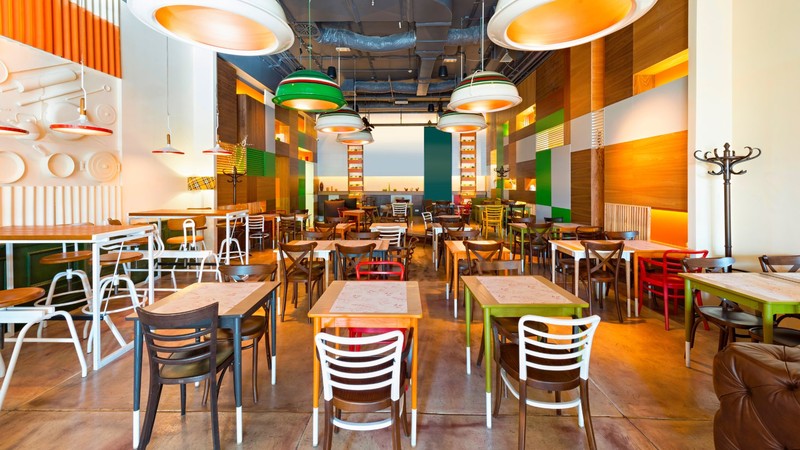
How to Reduce Chair Noise in Restaurants Without Replacing Furniture
Summary: To reduce chair noise in restaurants, install quality chair caps or glides specifically designed for your flooring type. Noise reduction solutions like SuperFelt® technology can dramatically minimize scraping sounds while protecting both your floors and furniture investment. Simple modifications, including felt pads, silicone caps, and rubber bumpers, offer cost-effective alternatives to replacing furniture. Regular maintenance of these protective solutions ensures long-lasting noise reduction benefits.
The Challenge of Restaurant Acoustics
You’ve invested significantly in creating the perfect dining atmosphere—carefully selected furniture, tasteful décor, and a thoughtfully designed space. Yet something as seemingly trivial as chair noise can undermine the entire dining experience. When you attempt to reduce chair noise in restaurants, you’re addressing a problem that affects customer satisfaction, staff efficiency, and your establishment’s reputation.
Restaurant noise levels have increased dramatically over the years, as modern design trends favor hard surfaces such as concrete floors, exposed ceilings, and minimal soft furnishings. These design elements might look impressive, but they create acoustic nightmares. When chairs scrape against these hard surfaces, the sound reverberates throughout the space, creating a cacophony that can reach uncomfortable or even painful levels.
Consider this: according to acoustic research, the average noise level in popular restaurants often exceeds 80 decibels during peak hours—equivalent to standing next to a running garbage disposal! At these levels, normal conversation becomes difficult, forcing diners to raise their voices, creating what acousticians call the “Lombard Effect”—a noise spiral where everyone speaks progressively louder to be heard.
Why Chair Noise Matters to Your Restaurant Business
Before diving into ways to reduce chair noise in restaurants, let’s understand why addressing this seemingly small detail deserves your attention:
Customer Experience: Excessive noise ranks among the top complaints in restaurant reviews, often outranking concerns about food or service. When customers can’t converse comfortably, they’re less likely to linger (and order more) or return for future visits.
Staff Well-being: Your team works long shifts in this environment. Continuous exposure to scraping chairs and elevated noise levels contributes to fatigue, stress, and potential long-term hearing issues.
Operational Costs: Unprotected chair legs cause significant damage to the flooring over time. What begins as minor scratches can eventually require expensive repairs or a complete floor replacement.
Competitive Advantage: In an industry where small details matter, creating a more pleasant acoustic environment can distinguish your establishment from competitors.
You might be thinking, “But replacing all my furniture would be financially impossible right now!” The good news? You don’t need to. Practical, affordable solutions exist to reduce chair noise significantly without the massive expense of new furniture.
Related: Why Furniture Care Matters in Facility Management Budgeting
Understanding the Science Behind Chair Noise
When you hear that irritating screech of chair legs against flooring, you’re witnessing a classic case of friction between two hard surfaces. The scientific explanation involves microscopic irregularities in both surfaces catching against each other, creating vibrations that translate into sound waves.
Different flooring materials present unique challenges:
Hardwood floors produce sharp, high-pitched noises when chairs scrape across their surface. The dense material efficiently conducts sound vibrations.
Tile and stone create particularly loud, echoing noises due to their extreme hardness and minimal sound absorption.
Concrete floors, increasingly popular in industrial-chic designs, amplify chair noise dramatically due to their density and rigidity.
Vinyl and laminate flooring typically produce less intense noises but still contribute significantly to the overall acoustic environment.
You might notice the need to reduce chair noise in restaurants varies throughout the space. This variation occurs because chair noise interacts with other elements of your space—ceiling height, wall materials, table spacing, and even the presence (or absence) of sound-absorbing elements like curtains or acoustic panels.
5 Effective Ways to Reduce Chair Noise in Restaurants
Install Specialized Chair Caps and Glides
The most effective way to reduce chair noise in restaurants is to add protective caps to chair legs. These specialized products create a buffer between furniture and flooring, dramatically reducing friction and the resulting noise.
When selecting chair caps, consider:
Material compatibility: Different floorings require specific materials for optimal protection and noise reduction.
Durability: Restaurant furniture endures constant movement and stress, requiring solutions that can withstand this environment.
Aesthetic considerations: Modern protective solutions can complement your furniture design rather than detract from it.
Installation requirements: Some solutions offer tool-free installation, while others might require basic hardware and tools.
High-quality chair caps not only silence the screech but also protect your flooring from scratches and gouges, extending the life of your investment. Some advanced options feature replaceable components, allowing you to refresh the noise-reduction capability without replacing the entire cap.
Apply Felt Solutions for Immediate Relief
For a quick way to reduce chair noise in restaurants, felt pads may be the answer. These soft, compressed fiber pads create a cushioning effect that absorbs vibrations before they become audible noise.
When considering felt options:
Look for commercial-grade products specifically designed for high-traffic environments.
Select appropriate thickness—thicker isn’t always better, as overly thick pads can affect chair stability.
Choose options with strong adhesive backing or secure attachment methods to prevent pads from detaching during use.
Consider innovations like SuperFelt® technology, which offers superior durability and replaceable components.
While basic felt pads are available at most hardware stores, these consumer-grade options typically deteriorate quickly in commercial settings. Investing in professional-grade felt solutions engineered specifically for restaurant use delivers significantly better long-term results and value.
Learn More: SuperFelt® Furniture Protection: Revolutionary Care for Commercial Furniture
Explore Silicone and Rubber Options
For certain chair types and flooring combinations, silicone or rubber solutions offer exceptional noise reduction. These materials offer excellent grip while effectively absorbing vibrations.
Key benefits include:
Superior durability in high-moisture environments (perfect for outdoor seating areas or near restaurant entrances).
Resistance to cleaning chemicals commonly used in food service establishments.
Flexible conformity to slight floor irregularities, maintaining continuous contact and noise protection.
Temperature stability, maintaining performance characteristics in both heated and air-conditioned spaces.
Silicone caps work particularly well with metal-legged chairs on tile or concrete floors, while rubber bumpers often perform best with wooden chairs on hardwood or laminate flooring. The slight bounce these materials provide also helps reduce stress on both the chair and floor during movement.
Consider Chair Design Modifications
Sometimes minor modifications can reduce chair noise in restaurants without replacing furniture:
Add crossbars between the legs to stabilize the chair and reduce the tendency for uneven leg contact with the floor.
Replace standard glides with ball-bearing glides that roll rather than scrape when moved.
Install adjustable levelers to ensure even floor contact and prevent wobbling, which contributes to noise.
Add weight to chair bases for designs that tend to lift easily, reducing the likelihood of clattering or tipping.
You might be surprised by how these simple engineering adjustments can transform your acoustic environment. Many of these modifications can be implemented by your maintenance staff or through affordable professional services.
Implement Strategic Floor Solutions
While focusing on chairs delivers the most immediate impact, complementary floor treatments can enhance your noise-reduction efforts:
Strategic area rug placement in high-traffic pathways absorbs sound while defining dining zones.
Installing Acoustic underlayment beneath existing flooring during renovation projects.
Localized floor treatments in server stations and other heavily trafficked areas.
Specialized floor coatings that increase surface resilience and reduce friction noise.
Remember that multiple approaches may be needed to reduce chair noise in restaurants. The interaction between your chairs and flooring represents just one aspect of your restaurant’s acoustic profile, albeit a significant one that you can address relatively easily.
Maintenance Tips for Long-Term Noise Control
Installing noise-reduction solutions represents just the beginning. Proper maintenance ensures lasting performance:
Implement regular inspection protocols to catch worn or missing chair protection before floor damage occurs.
Train staff on proper chair-handling techniques to minimize scraping, even with protection installed.
Keep replacement supplies readily available to address issues immediately during routine maintenance.
Document which solutions work best in different areas of your establishment for future reference.
Consider seasonal adjustments, as humidity and temperature fluctuations can affect both flooring and furniture.
The modest time investment in maintenance prevents costly repairs while preserving your noise-controlled environment. Many restaurant owners find that dedicating just 15 minutes weekly to chair maintenance saves thousands in potential flooring damage and replacement costs.
The Return on Investment: Beyond Noise Reduction
Addressing the need to reduce chair noise in restaurants delivers multiple benefits beyond the immediate acoustic improvement:
Extended furniture lifespan: Proper leg protection prevents stress fractures and joint loosening, particularly in wooden chairs.
Reduced floor maintenance: Protected chair legs help prevent scratches, scuffs, and gouges on expensive flooring.
Improved operational efficiency: Staff can move chairs more easily and quietly during table reconfigurations and cleaning.
Enhanced dining experience: Customers enjoy conversations without straining to hear above chair noise, potentially increasing visit duration and average check.
When calculating the value of noise-reduction solutions, consider both the direct costs avoided (e.g., floor repairs, furniture replacement) and the revenue opportunities created by enhanced customer satisfaction.
Why Choose ChairCaps.com for Your Restaurant Noise Solutions
When you’re ready to reduce chair noise in restaurants, partnering with specialists delivers superior results. At ChairCaps.com, we understand the unique challenges of restaurant environments:
Specialized restaurant solutions: Our products are engineered specifically for commercial food service applications, not repurposed residential products.
American-made quality: Most of our products are manufactured in our USA facilities, ensuring consistent quality and immediate availability.
Patented designs: Our innovative solutions, including SuperFelt® technology, offer performance advantages not available elsewhere.
Cost-effective approach: Our replaceable components mean you don’t need to replace entire caps when wear occurs.
Personalized recommendations: We provide customized solutions based on your specific chair types and flooring materials.
We’ve helped thousands of restaurants transform their acoustic environments without replacing furniture. Our products simply work—millions sold nationwide prove their effectiveness in real-world commercial applications.
Taking the Next Step
Ready to reduce chair noise in your restaurant? The process is simpler than you might expect:
Assess your current situation: Identify your chair types, flooring materials, and specific problem areas.
Request samples: Try different solutions in your actual environment before making a full commitment.
Implement strategically: Start with high-impact areas if you’re working with budget constraints.
Monitor results: Gather staff and customer feedback to fine-tune your approach.
Maintain consistently: Establish regular maintenance routines to preserve noise-reduction benefits.
You’ve invested significantly in creating a welcoming dining environment—don’t let something as manageable as chair noise undermine that investment. With the right protection solutions, you can dramatically reduce chair noise in restaurants while preserving both your furniture and flooring for years to come.
Contact ChairCaps.com today to discuss your specific noise-reduction needs and discover why restaurants nationwide trust our American-made solutions to solve their acoustic challenges without replacing furniture.